
How to feed your cat the right way
Dry or wet food? How many meals a day? Why is water so important? We answer the most common questions about feeding cats.
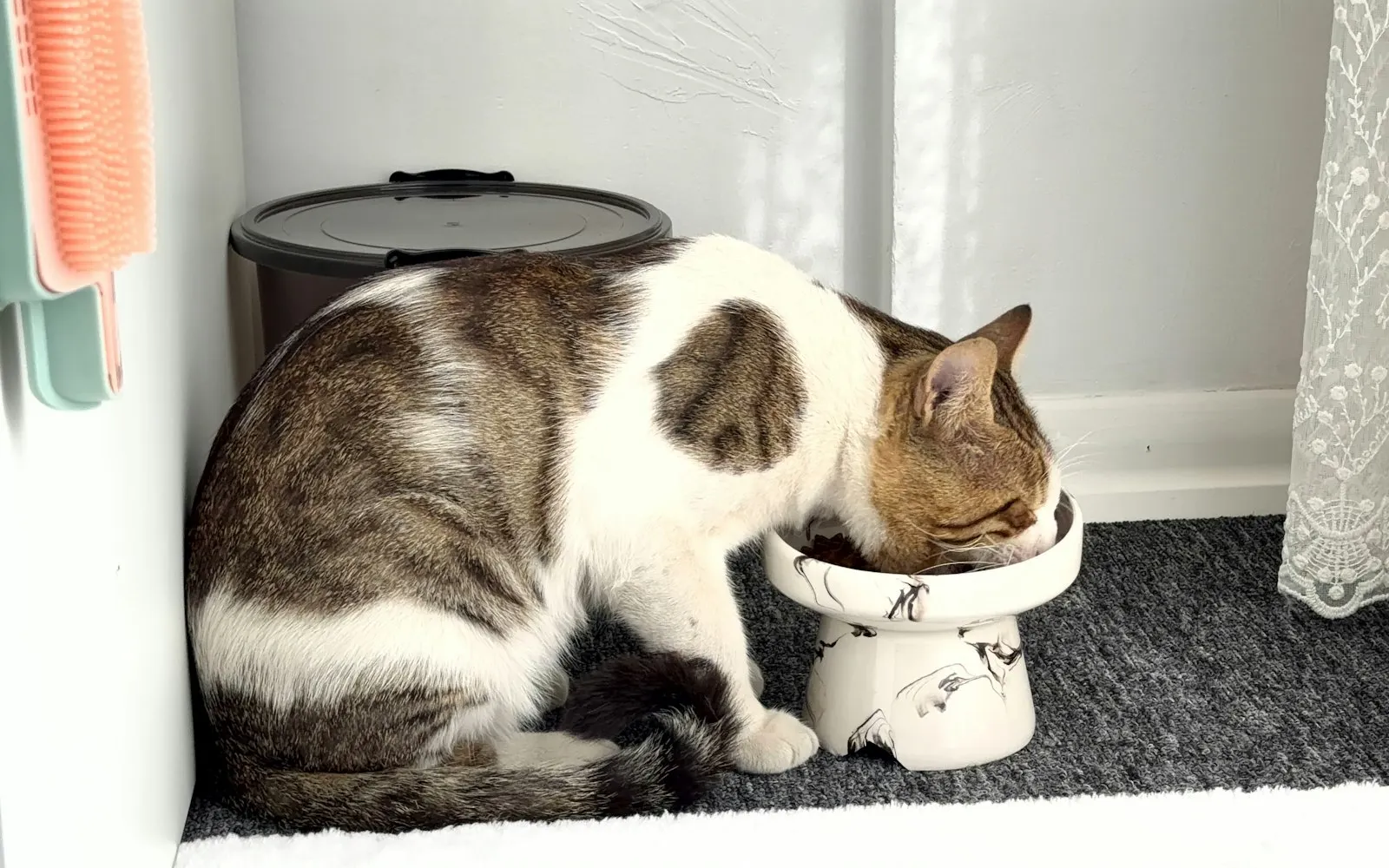
Cats are obligate carnivores: their bodies need protein and nutrients from animal sources. Good nutrition directly affects your cat's energy, the shine of its coat, and the health of its kidneys and digestion.
Dry or wet food?
Both have advantages. Dry food is convenient, keeps for a long time and is usually affordable. Wet food contains a lot of water — especially helpful for cats that drink little. Many owners combine the two: for example, wet food in the morning and a measured amount of dry food during the day.
Whichever you choose, make sure it is a "complete" food that matches your cat's life stage (kitten, adult, senior). Products labelled "complementary" do not replace the main diet.
How many meals a day?
Kittens are growing, so they eat small meals 3–4 times a day. Twice a day suits most adult cats. Work out portions from the chart on the pack and check your cat's weight once a month: you should easily feel the ribs, but not see them.
Water — the most forgotten nutrient
Cats naturally drink little, which over time can lead to urinary problems. Keep water fresh and place bowls a little away from food. Many cats prefer running water — a fountain helps a lot. Having water bowls in several places around the home is also useful.
Foods cats should not eat
- Onion, garlic and food cooked with them;
- Chocolate, caffeine and alcohol;
- Grapes and raisins;
- Cooked bones (they can splinter and cause injury);
- Large amounts of milk — many adult cats don't digest lactose well.
How to change food
Switching food suddenly can upset digestion. Mix in the new food gradually over 7–10 days: first a quarter, then half, then three quarters, and finally all new food.
The risk of extra weight
Being overweight is very common in indoor cats and increases the risk of diabetes and joint problems. Keep treats to a small part of the daily calories and make time for active play. A puzzle feeder instead of a full bowl also gets your cat moving.
If your cat loses its appetite or doesn't eat for more than a day, see a vet — going without food for long is dangerous for cats.
When a special diet is needed (kidneys, allergies, after neutering), always choose the food together with your vet. In the PET360 shop you can compare foods from different sellers and order them to your door.
Need a professional?
Find nearby clinics and salons and book online.