
Bringing home a new puppy: a guide to the first 30 days
A puppy's first month at home shapes the rest of its life. Sleep, toilet training, socialising and the first vet visit — explained step by step.
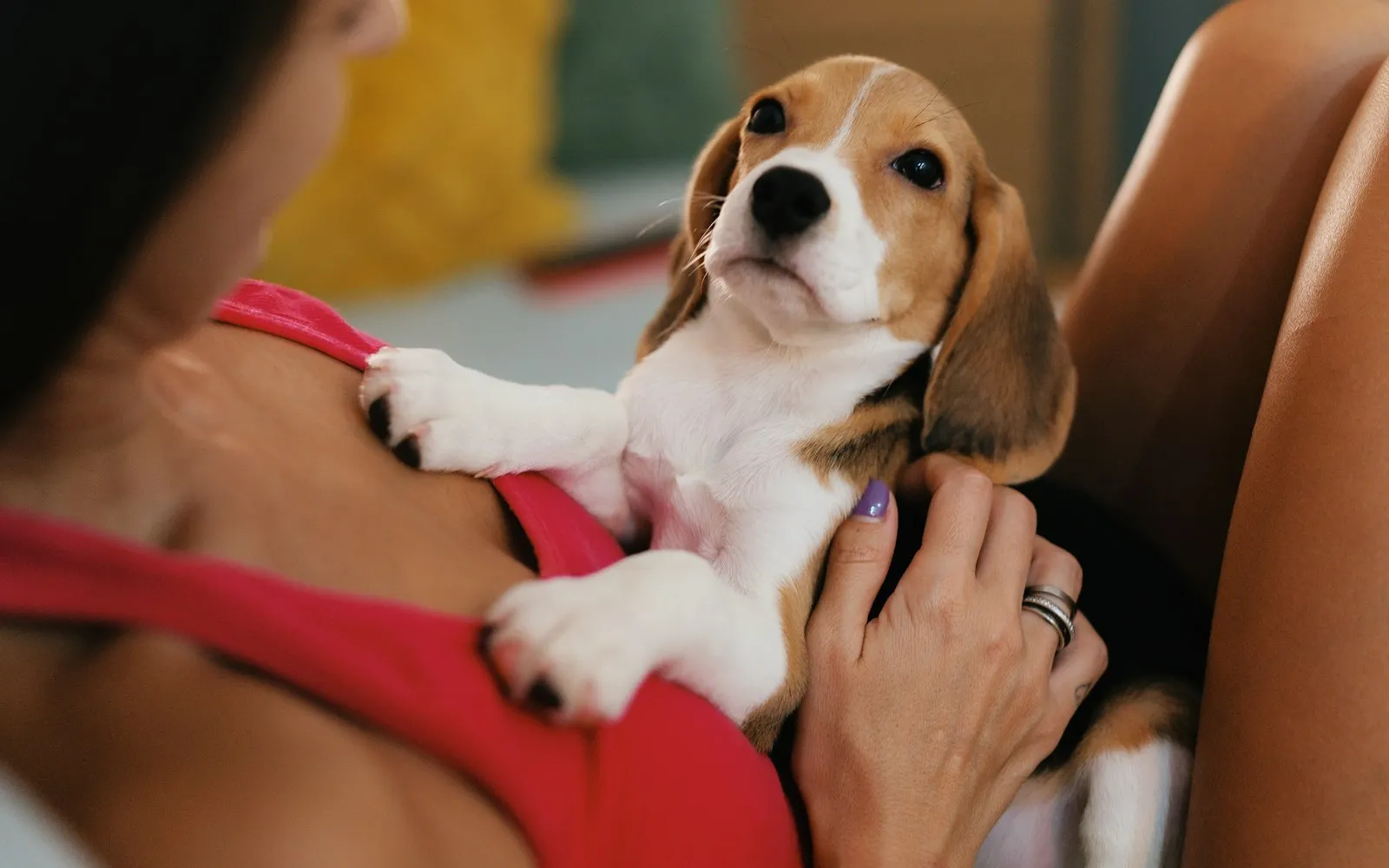
A new puppy brings a lot of joy, but the first weeks are a learning period for both of you. Your puppy meets new smells, sounds and people while you learn to read its needs. The good news: the right habits built in the first 30 days prevent many problems later on.
Before the puppy arrives
Set aside a quiet corner before your puppy comes home. Have a bed, food and water bowls, a few safe toys and a toilet spot ready. Lift cables, medicines, household chemicals and small objects out of reach.
- Find out what food the puppy ate before and keep to it for the first days.
- Get a collar, leash and name tag in advance.
- Agree in the family who feeds and walks the puppy, and when.
Week one: safety and calm
Don't invite guests in the first days and don't tire your puppy out. It will sleep a lot — that's normal; puppies can sleep 16–18 hours a day. It may cry at night: putting the bed near your bedroom and adding a cloth that smells of you helps it settle.
Feed at the same times every day. Young puppies usually eat 3–4 times a day; set the exact amount from the chart on the food pack and your vet's advice.
Toilet training
Toilet training takes patience. Take your puppy to the same spot right after it wakes up, eats or plays. Praise it with your voice and a treat when it goes in the right place. Never punish accidents — that only creates fear. Clean the spot with an odour-free cleaner so the puppy doesn't return to it.
Socialising: the most important window
Roughly 3 to 14 weeks of age is the most sensitive period for a puppy to get to know the world. During this time, gently introduce different sounds, surfaces, people and safe animals. Avoid contact with other dogs outdoors until vaccinations are complete, but give your puppy new experiences at home and in your arms. Puppy socialisation classes are ideal for this age.
The first vet visit
Book a general check-up in the first weeks after your puppy comes home. The vet will plan vaccinations, parasite treatment and feeding with you. Create a pet profile for your puppy on PET360 — it's an easy place to keep vaccination dates and the next check-up.
Basic commands and boundaries
Start with simple commands such as "sit", "come" and name recognition in short 2–3 minute sessions. Everyone should use the same words and rules: if one person lets the puppy on the sofa and another doesn't, the puppy gets confused. During the biting phase, offer a chew toy instead of your hand.
The golden rule: consistency. The same routine every day gives your puppy a sense of safety and speeds up learning.
When to see a vet straight away
- Vomiting or diarrhoea lasting more than a day;
- The puppy refuses food or is very lethargic;
- Difficulty breathing, coughing or a runny nose.
Things can change quickly in young puppies, so don't wait when in doubt. On PET360 you can find a nearby vet clinic and book online.
Need a professional?
Find nearby clinics and salons and book online.