
Vaccination basics for dogs and cats
Vaccines protect pets from dangerous diseases. When to start, how often to repeat and what to watch for — in plain words.
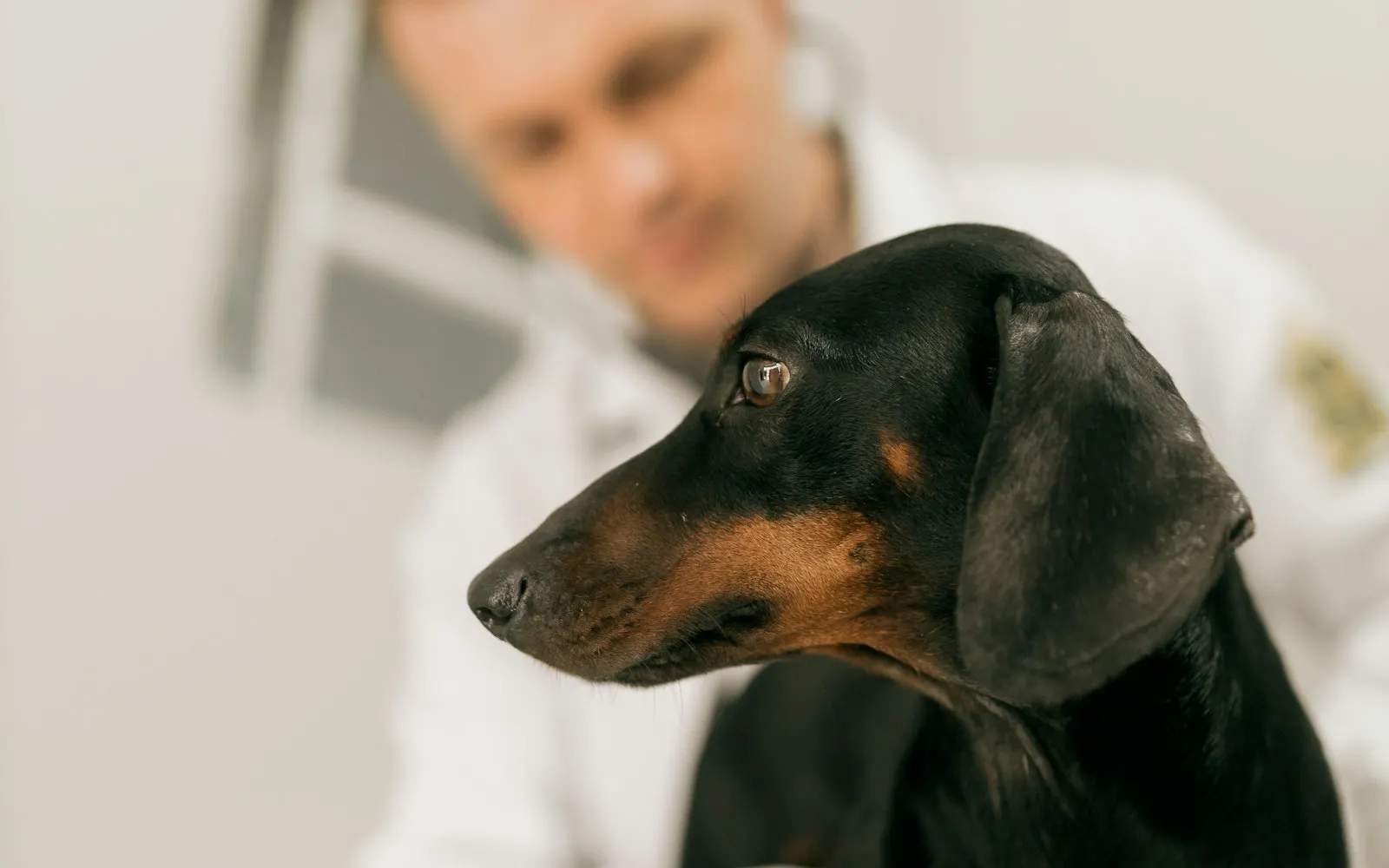
Vaccination is the most reliable way to protect your pet from infectious and sometimes fatal diseases. This article is general information: the exact schedule is always set by a vet based on your pet's age, health and where you live.
How do vaccines work?
A vaccine "introduces" the body to the microorganism that causes a disease, and the immune system builds a protective memory. In puppies and kittens, immunity passed on from the mother protects them in the first weeks but gradually fades — which is why vaccines are given several times at set intervals.
Core vaccines for dogs
- Combination vaccine — usually against distemper, parvovirus, adenovirus and other infections;
- Rabies — required by law in many countries;
- Extra vaccines depending on lifestyle (for example leptospirosis) — on your vet's advice.
Puppies usually start vaccinations at 6–8 weeks of age, repeated a few times until about 16 weeks. After that, adult boosters follow at the interval your vet recommends.
Core vaccines for cats
- Combination vaccine — against panleukopenia, calicivirus and herpesvirus (rhinotracheitis);
- Rabies — especially important for cats that go outdoors;
- Other vaccines are chosen according to the cat's lifestyle.
Indoor cats need vaccines too: viruses can come into the home on shoes, clothes and other objects.
Before the vaccination
- Your pet must be healthy — the vet does a short check-up first;
- Ask your vet about parasite treatment;
- Bring the vaccination record (pet passport) with you.
What to expect afterwards
A day or two of mild tiredness, a smaller appetite or a small swelling at the injection site can be normal. But if you see facial swelling, difficulty breathing, repeated vomiting or collapse, go to a clinic straight away. After vaccination, keep your puppy away from places with many dogs until protection is complete.
Never miss a date
The most common problem is a forgotten booster. Create a pet profile in your PET360 account, record the vaccines given and the next due date — your account will show you how many days are left.
Remember: this article does not replace a vet's advice. Always plan the vaccination schedule with the vet who examines your pet.
On PET360 you can find vet clinics, compare services and prices and book a vaccination online.
Need a professional?
Find nearby clinics and salons and book online.